OUH carry out successful rare life-changing pancreas procedure on one of the UK's youngest patients
08 September 2026
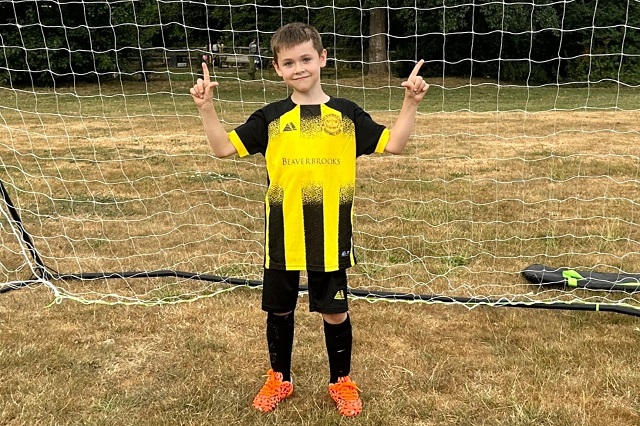
Charlie Skidmore
A seven-year-old boy from Oxfordshire has become one of the youngest children in the UK to undergo a highly specialised pancreas procedure at Oxford University Hospitals (OUH), helping him regain his childhood after years of debilitating illness.
Charlie Skidmore underwent a Total Pancreatectomy with Islet Autotransplantation (TPIAT) at the John Radcliffe Hospital in March 2026, and has been recovering well since. TPIAT is a complex and rare procedure that has to date been performed at only two Trusts in England.
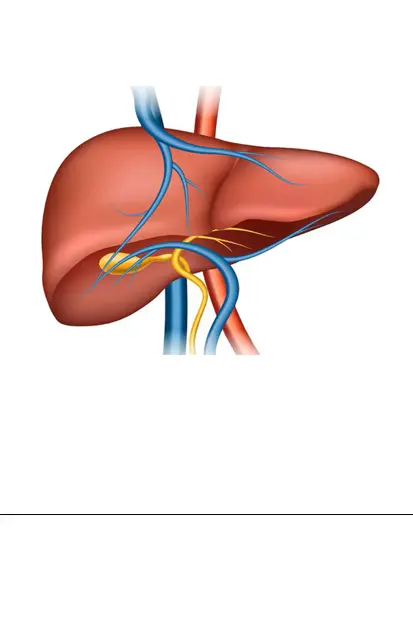
In Charlie’s case the procedure involved removing his pancreas, spleen, and gallbladder. During the operation, specialists isolated the insulin-producing islet cells from his pancreas and transplanted them into his liver, where they can continue producing hormones that help control blood sugar levels.
Years of pain and repeated hospital admissions
Charlie was born with hereditary pancreatitis caused by a PRSS1 gene mutation. Although he enjoyed a healthy early childhood, he began experiencing increasingly severe episodes of pancreatitis from the age of four. Each attack resulted in emergency admissions, prolonged periods without food, and severe pain while the inflammation settled.
Charlie's mother Charmaine Sadler, said: "As the condition progressed, Charlie became malnourished and fearful of eating because many foods triggered further attacks. His life became dominated by hospital stays, investigations, and procedures.
"In September 2025, his condition deteriorated dramatically when his pancreas began leaking into his chest, causing his left lung to collapse. He required a chest drain and a feeding tube after significant weight loss.
"After a brief period at home over Christmas, his pancreas leaked again, leading to a second collapsed lung and prompting clinicians to proceed urgently with the surgery. "
A highly specialised procedure requiring multidisciplinary expertise
The procedure was carried out by a specialist multidisciplinary team of around 50 clinicians, including Consultant Hepatobiliary and Pancreatic Surgeon Mr Michael Silva, Consultant Paediatric Surgeon Mr Merrill McHoney, Professor of Paediatric Surgery and Director of Islet Transplantation Paul Johnson; supported by TPIAT MDT, paediatric gastroenterology, paediatric psychiatry, anaesthetics, diabetes specialists, intensive care, nursing, and laboratory teams from across OUH.
Mr Michael Silva added: "Following comprehensive multidisciplinary assessment, TPIAT may be considered for a small group of patients with chronic pancreatitis whose condition causes severe pain, repeated hospital admissions, and a significantly reduced quality of life.
"The procedure can be life-changing. By removing the source of the disease while preserving and re-implanting the patient's own islet cells, we can relieve symptoms and give children the opportunity to return to their regular activities with a greatly improved quality of life.
"It is not currently commissioned to be performed in children by the NHS, and is therefore offered to a very small number of children with severe chronic pancreatitis, following rigorous process and planning.
"At OUH the expertise of the hepatobiliary and pancreatic surgical team performing the surgery, alongside the expertise of paediatric surgery, and the existing adult pancreatic islet transplant expertise, allows good team working and experience to offer excellent care to patients like Charlie. "
Mr Merrill McHoney said: "TPIAT is a major and rare life-changing procedure, typically lasting between eight and 10 hours. The first stage of the operation is a total pancreatectomy, where surgeons remove the entire pancreas with the duodenum and the gallbladder. Depending on the individual patient's anatomy and disease, the procedure may also involve removing the spleen.
"Once the diseased pancreas has been removed, the surgical team reconstructs the digestive tract while our experienced islet transplant team extract the insulin-producing islet cells from the removed pancreas and transplant these back into the body. "
Professor Paul Johnson added: "Once the diseased pancreas has been removed, it is transported to our specialist facility where my team extract the tiny insulin-producing pancreatic islet cells. These healthy cells are then returned to the operating theatre where we carefully infuse them into the main vein supplying the liver.
"Over time, the islet cells establish themselves in the liver, develop a new blood supply, and begin producing insulin and other hormones. Following the operation, conventional insulin is given for a few months to help the transplanted islet cells establish themselves in the liver, but then the transplanted islets produce their own insulin again.
"Whilst many patients still need some conventional insulin, some patients come off insulin altogether. Importantly, the body’s own insulin helps keep the blood glucose as stable as possible.
"We know that this procedure works better in younger people, and having established a successful programme in adults, patients like Charlie make a strong case for a national islet autotransplant programme for children."
"The operation saved Charlie's life"
Charmaine added: "The surgery changed Charlie’s life forever, but the road to reaching that point was filled with years of pain, uncertainty, and extraordinary courage.
"As parents, all we could do was watch our little boy suffer. His life revolved around hospital admissions, blood tests, scans, procedures, and waiting for the next episode.
"The procedure saved Charlie's life. Today, he is no longer living in constant pain. He can run around, play football with his team, swim, laugh with his friends and simply enjoy being a child again. Watching him live the life every child deserves is something we never take for granted.
"None of this would have been possible without the incredible people who cared for Charlie. We will always be grateful for the expertise, compassion, and support shown by every member of the team.
"If sharing Charlie's story helps even one family feel less alone, then it will have been worth it."
The family also thanked Dr Asto Rodrigues, Charlie's gastroenterology consultant, and the diabetes specialist team, who have supported him through his recovery and adaptation to life after surgery.
Dan Skidmore, Charlie's father said: "After knowing what to expect with the surgery and then explaining this to Charlie, I was so impressed with his attitude and resilience towards everything as he just wanted to be pain free. I was so proud of him and it's amazing to see him back to his old self so quickly. We are so thankful to everyone involved. We have our Charlie back."
Although Charlie now lives with type 3c diabetes and requires insulin therapy, glucose monitoring, pancreatic enzymes, and preventative antibiotics, his family says the challenges are outweighed by the opportunity for him to live a full and active life.
And Charlie's own message to children facing a similar operation?
"Don’t worry. It will be okay, because you have good surgeons to look after you."
Professor Andrew Brent, Chief Medical Officer at OUH, said: "Congratulations and well done to the team involved in Charlie's treatment and this rare procedure. We are proud to be able to deliver care which significantly improves the quality of life of our patients and their families, and to support innovative treatments in line with NHS service development and commissioning. Charlie's story is inspiring, reflecting both his bravery and the trust that he and his family have placed in us for his care. I know I speak for everyone in thanking the teams involved and in extending our best wishes to Charlie and his family."