Kidney transplantation
Kidney transplantation is an established treatment for patients with advanced kidney failure. It involves transplanting a donated kidney from either a living or deceased donor to restore kidney function.
Kidney failure can result from a variety of conditions, including diabetes, polycystic kidney disease and other forms of chronic kidney disease. For suitable patients, transplantation offers the opportunity for improved quality of life and freedom from dialysis.
Oxford Transplant Centre performs approximately 180 kidney transplants each year, providing a specialist service for patients across Oxfordshire and the surrounding counties.
Patients are carefully assessed by a multidisciplinary team to determine their suitability for transplantation. The centre provides both living donor and deceased donor kidney transplantation, with specialist support throughout assessment, surgery and long-term follow-up.
Enquiries and referrals
For further information about kidney transplantation, please contact:
Clare Snelgrove, Lead Nurse: 01865 228660
Jen Day: 01865 228661
Emma Nicholas: 01865 227370
Ella Woodhouse: 01865 222990
Living kidney donation
Information about living kidney donation is also available through our Living Donor Team.
Pancreas transplantation
Pancreas transplantation is a procedure usually performed to treat patients who have a failure of their pancreas to produce insulin, most often due to 'type 1' diabetes, where the insulin secreting cells which are normally scattered throughout the pancreas in clusters called 'islets' have been destroyed by their own immune system - an autoimmune disease.
Pancreas transplantation is performed using pancreases retrieved from cadaveric organs, and is carried out in a similar way to a kidney transplant, by joining the blood vessels to those of the patient receiving the transplant.
Most patients receive a pancreas transplant at the same time as a kidney transplant. This is known as a simultaneous pancreas and kidney transplant (SPK) and is usually the preferred option for people whose diabetes has led to kidney failure.
Some patients who have already received a kidney transplant may go on to have a pancreas transplant at a later date. This is called a pancreas after kidney transplant (PAK).
Less commonly, a pancreas transplant may be offered to patients who do not need a kidney transplant but experience severe problems with hypoglycaemia (low blood sugar) despite other treatments. This is known as a pancreas transplant alone (PTA).
Oxford Transplant Centre is one of seven specialist centres in the UK performing pancreas transplantation, providing services to patients across Oxfordshire and the wider South of England.
Enquiries and referrals
For further information on pancreas transplantation, please contact us.
Pancreas Transplant Co-ordinator
Simon Northover, Lead Nurse: 01865 228658
Jacqui Skeete: 01865 228657
Pancreatic islet transplantation
Pancreatic islet transplantation is an established treatment for selected patients with type 1 diabetes who experience severe episodes of hypoglycaemia (low blood sugar), particularly when these occur without warning and despite the use of other diabetes treatments.
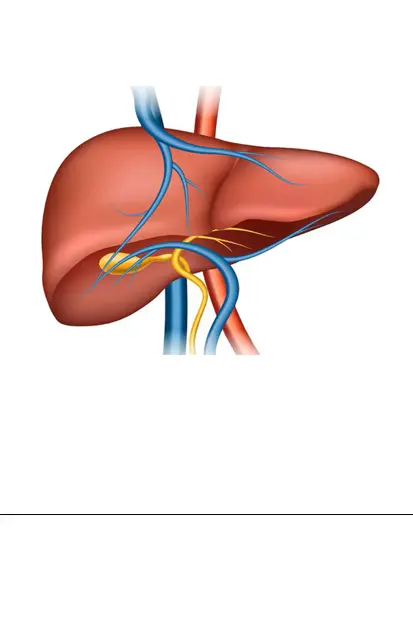
The procedure involves extracting insulin-producing cells, known as islets, from a donated pancreas. These cells are then infused into the patient's liver, where they can begin producing insulin and help regulate blood glucose levels.
The main aim of islet transplantation is to reduce or prevent severe hypoglycaemia, improve awareness of low blood sugar and provide more stable diabetes control. Although some patients may become insulin-independent, most will continue to require insulin, often at reduced doses. Some patients may need more than one islet transplant to achieve the best results.
Unlike a whole pancreas transplant, islet transplantation does not require major abdominal surgery. However, patients must take lifelong medication to prevent rejection of the transplanted cells.
Oxford Transplant Centre provides a specialist pancreatic islet transplantation service as part of the NHS national programme. Patients are carefully assessed by a multidisciplinary team to determine whether this treatment is appropriate for them.
Enquiries and referrals
For further information about pancreatic islet transplantation, or to discuss a possible referral, please contact us.
Pancreas and Islet Transplant Nurse Specialists
Simon Northover, Lead Nurse: 01865 228658
Jacqui Skeete: 01865 228657
Intestinal transplantation (small bowel transplant)
Intestinal transplantation is a specialist procedure in which a damaged or non-functioning small bowel is replaced with healthy bowel from a deceased donor.
It may be considered for patients with severe intestinal failure who depend on intravenous feeding (parenteral nutrition), particularly when serious complications develop. Transplantation may also be an option for patients with certain complex abdominal conditions, including extensive tumours or blood vessel disease. In some cases, other abdominal organs are transplanted alongside the small bowel.
The aim of transplantation is to restore intestinal function and, where possible, allow patients to eat and drink normally without the need for intravenous feeding.
Oxford Transplant Centre has performed intestinal transplants since 2008. Patients are carefully assessed by a specialist multidisciplinary team to determine whether transplantation is appropriate and whether the potential benefits outweigh the risks.
Enquiries and referrals
For further information about intestinal transplantation, please contact us.
Intestinal Transplant Nurse Specialists
Kim Corbey, Lead Nurse: 01865 228671
Ella Woodhouse: 01865 222990
Total Pancreatectomy with Islet Auto-Transplant (TPIAT)
Total Pancreatectomy with Islet Auto-Transplant (TPIAT) is a specialist procedure offered at Oxford for selected patients with severe, debilitating chronic or recurrent pancreatitis that has not responded to other treatments.
The procedure involves surgically removing the pancreas with the aim of relieving pain. Insulin-producing cells (islets) are then extracted from the patient's own pancreas and transplanted into their liver, where they may continue to produce insulin.
The aim is to improve quality of life by reducing pain, while preserving some natural insulin production to help manage blood glucose levels after surgery. Most patients will still require insulin treatment, and all will need lifelong pancreatic enzyme replacement.
Oxford provides a specialist multidisciplinary service for the assessment, treatment and ongoing care of patients undergoing TPIAT.
Enquiries and referrals
For further information about TPIAT, please contact us.
TPIAT Clinical Nurse Specialist
Abi Porter: 01865 228662
Transplant Nurse Practitioners (transplant follow-up)
The Transplant Nurse Practitioners are a team of specialist nurses looking after all transplant recipients who receive their transplant in Oxford.
They carry out regular clinics and provide a telephone advice line during office hours.
Enquiries
Tel: 01865 228662