CQC Maternity Survey 2026 results published
26 November 2026
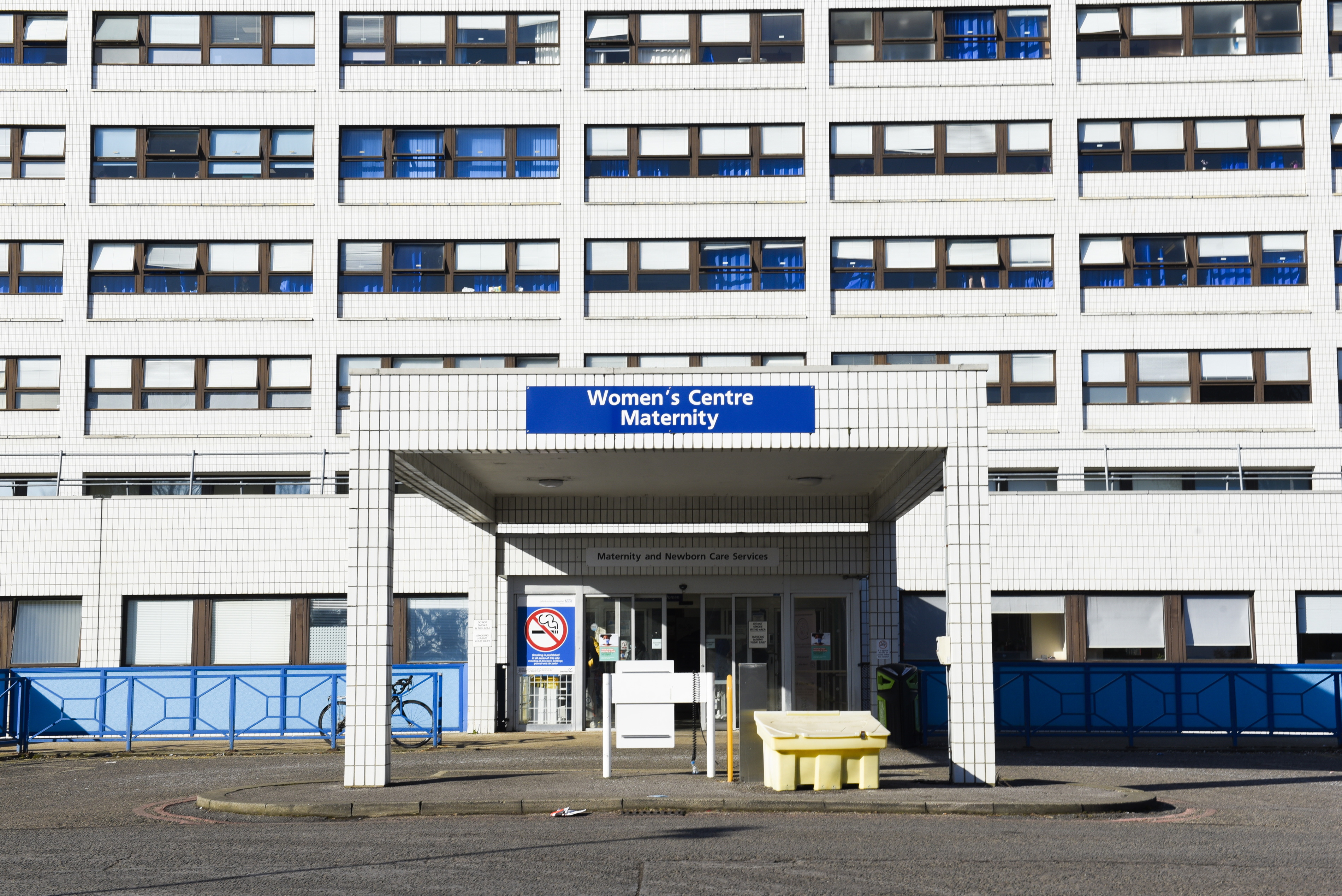
Women's Centre, John Radcliffe Hospital
Women who used maternity services at Oxford University Hospitals (OUH) have shared their experiences of care as part of the latest national Care Quality Commission (CQC) Maternity Survey.
The results for 2026 provide feedback across pregnancy, labour and birth, and postnatal care, highlighting both areas of stronger performance and areas where further improvements are needed, with a broadly consistent picture compared to last year.
A total of 235 women who gave birth using OUH maternity services in February 2026 responded to the survey, a response rate of 47.9%.
Overall, looking at the individual questions, OUH was rated 'about the same as most trusts' for 50 of the 59 questions with a published score. Three questions were rated 'better' and one 'much better' than most Trusts, while four were rated 'worse' and one 'somewhat worse’. No questions were rated 'much worse'.
Across the broader sections of care covered by the survey, antenatal care at the start of pregnancy was rated ‘somewhat better’ than most Trusts, with a score of 8.7 out of 10.
Antenatal check-ups; care during pregnancy, labour and birth; staff caring for women; care on the ward after birth; care at home after birth; and discrimination in care were all rated 'about the same' as most Trusts.
Maternity triage and postnatal care relating to feeding babies were rated ‘somewhat worse’ than most trusts, scoring 7.1 and 7.9 respectively.
Looking at the individual questions in more detail, OUH was rated 'much better' than most Trusts for asking women about their mental health during postnatal care, scoring 9.9 out of 10.
OUH was also rated 'better' than most Trusts for providing information to help women decide where to have their baby; giving information about warning signs during pregnancy; and providing appropriate information and advice about the risks associated with induced labour.
The survey also showed a significant improvement in women being able to have their partner or someone close to them stay with them as much as they wanted following the birth. The score increased from 5.7 in 2025 to 7.8 in 2026, following the introduction of 24-hour visiting for birth partners. This was the only statistically significant change for OUH compared with the previous year.
The results also highlight areas where further improvement is needed. This includes information and explanations provided on postnatal wards; support and advice about feeding; information about physical recovery after birth; waiting times in maternity triage; and experiences of unfair or different treatment during postnatal care.
Information and explanations following birth and support and advice about feeding were also identified as areas for improvement in last year’s survey.
Since last year, work has continued through OUH's Perinatal Improvement Programme to improve maternity services and respond to feedback from women and families. This has included developing patient information with input from women, work to provide more consistent feeding support and advice, and continued engagement with women and families across Oxfordshire through OUH's Patient Experience and Engagement Lead Midwife and partners.
Celina Eves, Director of Midwifery at OUH, said: "The CQC Maternity Survey gives us valuable insight into women’s experiences across our services, and we welcome the areas where this year's results show stronger performance.
"These results also show further improvement is needed, including aspects of postnatal care, feeding support and triage, and we will use the findings to help inform our improvement work.
"It is encouraging to see a significant improvement in women’s experiences of birth partner visiting, following the changes we made to visiting arrangements.
"Thank you to everyone who took the time to share their experiences. Their feedback is important in helping us understand what is working well and where further improvements are needed."
The survey involved 119 NHS trusts in England and received more than 16,700 responses nationally. Women aged 16 and over who had a live birth during February 2026, and in some cases January, were invited to take part.
Read the full results on the CQC website: