Eye care team cuts waste and costs
24 August 2026
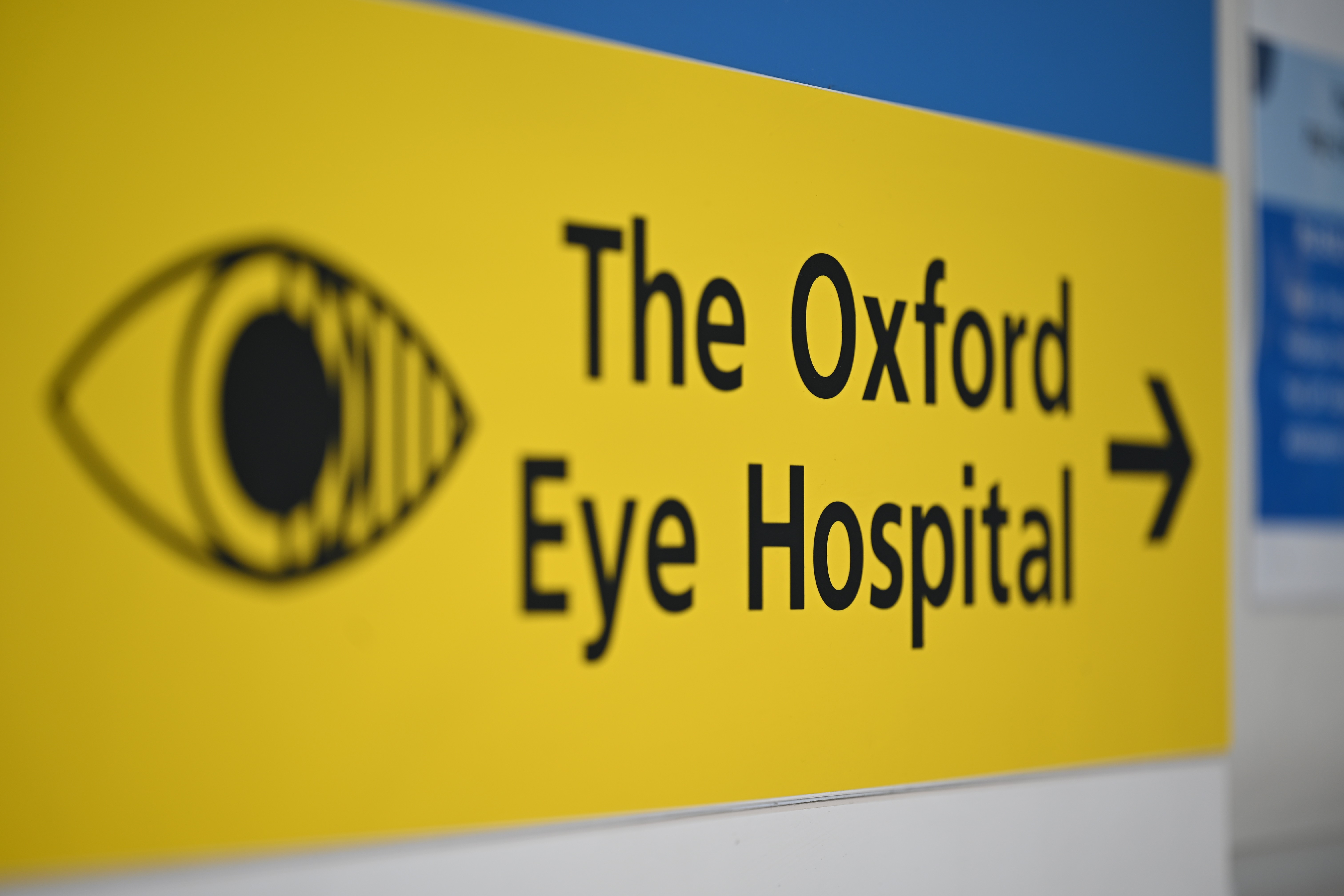
A more sustainable approach to delivering eye injections used to treat sight-threatening conditions is helping Oxford University Hospitals (OUH) reduce waste and save money, while maintaining high standards of patient care.
The work has been led by OUH's Sustainable Eye Care team, who reviewed how these injections are delivered. Thousands of patients receive the treatment at OUH each year to help preserve their sight.
Over a number of years, the team systematically reviewed each step of the procedure, asking whether long-established practices were supported by evidence and whether they could be delivered in a more sustainable way.
This led to a series of changes, including removing unnecessary single-use items and adopting a more streamlined injection technique.
The team, based at the John Radcliffe Hospital's Oxford Eye Hospital, stopped the routine use of some products that evidence showed were unnecessary, including postoperative antibiotics, while also moving from sterile to non-sterile gloves and reducing the use of disposable equipment used during the procedure.
They also evaluated the impact of the changes across more than 120,000 injections performed between 2016 and 2024. Their findings showed that the revised approach did not increase the risk of serious infection, while also improving patient comfort and reducing waste.
At OUH, the changes are estimated to remove more than three tonnes of waste each year and save between £150,000 and £180,000.
The team's work was recognised at the OUH Staff Recognition Awards 2026, where they were shortlisted for the Award for Sustainability.
Sam de Silva, Consultant Ophthalmologist at OUH, said: "As healthcare providers, we have a responsibility to consider the environmental impact of the services we deliver while maintaining the highest standards of patient care.
"We looked carefully at every stage of the injection process and challenged ourselves to make meaningful and sustainable changes. The result is a simpler approach that is supported by evidence, preferred by many patients and significantly reduces waste."
The team's work has attracted interest from organisations across the NHS since it was published, with colleagues from other hospitals seeking advice on implementing similar changes within their own services. The findings have been published in the journal Eye and highlighted by national ophthalmology leaders as an example of good practice.
More than one million intravitreal injections are performed across the UK each year. The team believes that wider adoption of similar approaches could deliver substantial environmental and financial benefits across the NHS.
Ariel Ong, Senior Resident Doctor in Ophthalmology at OUH, said: "We encourage others to consider their current clinical practice and think about why they are doing what they are doing, as some processes may be based on habit rather than evidence. There are likely to be many other opportunities to remove unnecessary steps and streamline pathways in ways that improve sustainability while maintaining high-quality patient care."
Lisa Hofen, Chief Estates and Facilities Officer with responsibility for sustainability at OUH, said: “The Sustainable Eye Care Team's work is a great example of how staff across OUH are finding practical ways to make healthcare more sustainable. By questioning routine practice and embracing innovation, they have delivered benefits for patients, the environment and the NHS.
"Thank you to the team, and all colleagues who champion sustainability projects across our hospitals, for their commitment to reducing our environmental impact and helping us towards our net zero ambitions."